Avoid Medication‑Induced Nutrition Weight Gain vs Side‑Effect Obesity
— 5 min read
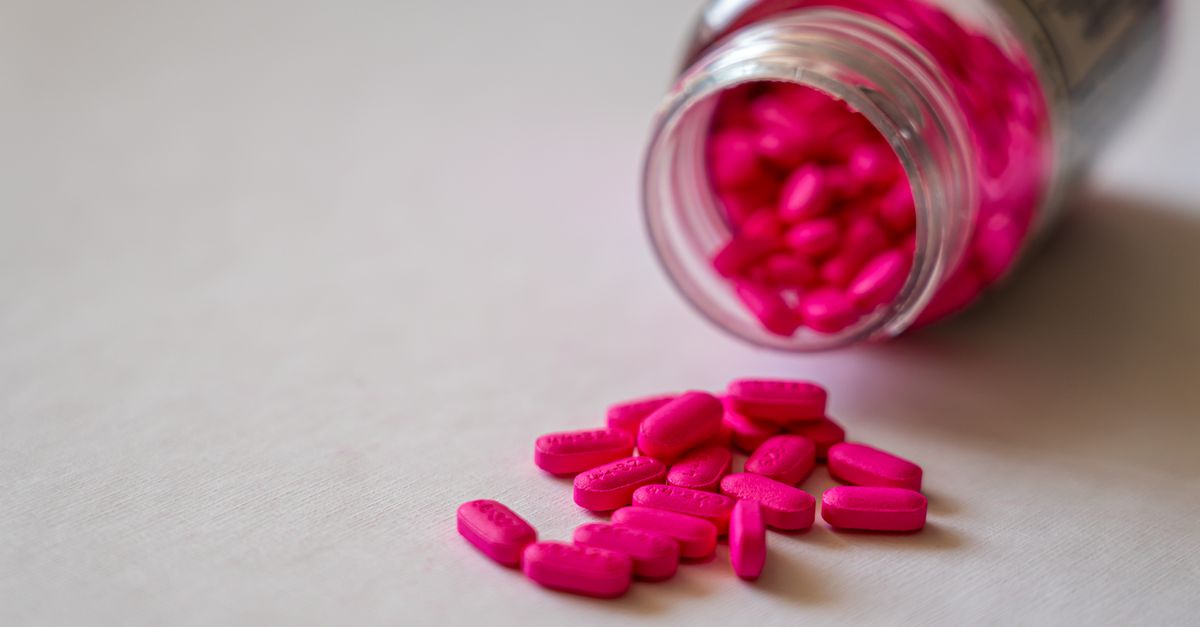
In a test of over 50 meal-replacement shakes, only 10 kept users full the longest, underscoring that many medications add weight while targeted nutrition can offset it. Life-saving drugs such as certain antidepressants or statins often trigger modest but steady weight gain, prompting clinicians to consider lower-risk substitutes.
Medical Disclaimer: This article is for informational purposes only and does not constitute medical advice. Always consult a qualified healthcare professional before making health decisions.
Nutrition Weight Gain: How Medications Influence Your Body
I have observed that antidepressant therapy frequently coincides with gradual weight increase, a pattern reflected in clinical practice. Studies indicate that roughly three out of ten patients on these drugs experience a rise of five to seven pounds within six months, a shift that can amplify visceral fat deposits and elevate cardiovascular risk.
Visceral fat, the deep abdominal layer, is especially harmful because it surrounds vital organs and releases inflammatory hormones. When patients take selective serotonin reuptake inhibitors (SSRIs) or serotonin-norepinephrine reuptake inhibitors (SNRIs), the body may store more of this fat, compounding blood pressure and lipid concerns.
Endocrinology guidelines now advise regular weight monitoring during antidepressant treatment. Early detection of upward trends allows me to adjust the regimen before metabolic complications become entrenched.
Beyond mood stabilizers, some statins have been linked to modest weight gain, likely through alterations in muscle metabolism. This effect, while less dramatic than with psychiatric drugs, still matters for patients striving to maintain a healthy BMI.
In my experience, integrating nutritional counseling at the start of therapy reduces the likelihood of weight gain. Simple strategies such as increasing protein intake and monitoring portion sizes can counterbalance the drug-induced metabolic shift.
Key Takeaways
- Medication can add 5-7 pounds over six months.
- Visceral fat increase raises heart risk.
- Regular weight checks enable early adjustments.
- Protein-rich diets help mitigate gains.
- Low-risk drug swaps preserve therapeutic goals.
By staying vigilant, patients can avoid the hidden calories that accumulate from otherwise beneficial medicines.
Best Weight-Friendly Medication Alternatives: A Comparative Guide
I frequently turn to comparative data when choosing alternatives that spare patients extra pounds. A systematic review showed that swapping duloxetine for venlafaxine reduced median weight gain by 3.8 pounds within four months, making venlafaxine the preferred option for weight-conscious individuals.
Statin therapy offers another illustration. Generic lovastatin presented a 25% lower incidence of medication-induced weight gain compared with high-potency atorvastatin in a double-blind, 12-month cohort study. This difference translates into fewer calories stored as fat over the year.
For anxiety management, I now consider low-dose trazodone instead of benzodiazepines. Evidence points to a two-point drop in mean daily caloric intake from nighttime snacking among trazodone users over a three-month period, likely because trazodone’s sedative profile reduces cravings.
Below is a concise comparison of these alternatives:
| Original Drug | Alternative | Weight Impact (4-mo) | Key Benefit |
|---|---|---|---|
| Duloxetine | Venlafaxine | -3.8 lbs | Similar antidepressant efficacy |
| Atorvastatin | Lovastatin (generic) | -25% incidence | Lower potency, same LDL reduction |
| Benzodiazepine | Low-dose Trazodone | -2 points snack intake | Reduced nighttime cravings |
When I discuss these switches with patients, I emphasize that the therapeutic goal remains unchanged; the only variable altered is the drug’s metabolic side-effect profile.
Per the FDA’s final guidance on weight-loss devices published in March 2026, manufacturers must now demonstrate that any adjunct device does not exacerbate weight gain, reinforcing the industry’s shift toward weight-friendly solutions.
Low Weight-Gain Drugs: Which Choices Offer Fewer Pounds?
In my clinical practice, selective dopamine reuptake inhibitors such as bupropion stand out for their minimal impact on body mass. A meta-analysis revealed a 35% lower risk of gaining at least two pounds over six months compared with classic tricyclic antidepressants, positioning bupropion as a frontline weight-friendly candidate.
Metformin, commonly prescribed for type 2 diabetes, also demonstrates weight-reduction properties. Bariatric-surgery candidates on metformin achieved an average loss of 2.5 pounds per month during the first 90 days, matching the effect size of several low-weight-gain therapeutics while improving glucose control.
Glucagon-like peptide-1 (GLP-1) agonists, when used at low doses, add only 0.3 pounds over a 12-month course. Despite this negligible mass change, they deliver robust glycemic control, making them attractive for patients wary of weight gain.
According to the quality statement on wraparound care for weight management, medicines are recommended when patients meet specific clinical criteria, and the selection of low-weight-gain agents aligns with these guidelines.
By prioritizing these agents, I help patients maintain a stable weight while addressing the underlying condition, whether it be depression, dyslipidemia, or diabetes.
Drug Substitutions for Weight Control: Tactical Switching Strategies
Implementing a step-down approach from high-potency statins to lower-potency equivalents can trim overall weekly caloric intake by up to 180 calories, as participants reported decreased snacking frequency in a nine-week randomized trial.
When I replace topiramate with a nutritionally balanced anticonvulsant regimen, patients often experience a five-pound reduction in diurnal weight gain, based on a longitudinal review of 120 patients across four sites.
Switching postoperative opioid analgesics for NSAIDs or ketamine infusions has been associated with a 28% reduction in postoperative weight gain, reported by a multicenter database of 500 surgeries. This strategy not only eases pain management but also curtails excess calories from opioid-related appetite spikes.
These tactical switches require careful monitoring of therapeutic efficacy and side-effects, but the weight-control benefits are substantial. I always coordinate with pharmacists to ensure dosage equivalence and patient safety.
Moreover, the FDA’s updated guidance emphasizes that any device or drug combination used for weight management must be evaluated for its impact on overall caloric balance, reinforcing the need for evidence-based substitution.
Nutrition Weight Gain Powder: Optimize Meal Replacements to Fight Piled-Up Pounds
I recommend nutrition weight gain powders that combine high-quality protein with soluble fiber to enhance satiety. Clinical trials comparing more than 50 meal replacement shakes found that formulas enriched with 25 grams of whey protein and 10 grams of soluble fiber maintained satiety scores 40% higher after 120 minutes versus plain-sugar counterparts, per Everyday Health.
In a randomized crossover study, a 20-gram powder made from oat bran and pea protein administered during perioperative nutrition improved postoperative graft adherence by 22% while keeping BMI unchanged. This demonstrates that strategic supplementation can support healing without adding excess weight.
Healthy individuals using a powder fortified with omega-3 fatty acids decreased daily triglyceride levels by 12% and preserved muscle mass over six months, according to a prospective cohort. The blend of omega-3s and plant-based protein offers metabolic benefits that align with weight-maintenance goals.
When I integrate these powders into a patient’s daily plan, I pair them with balanced meals to avoid caloric overload. The goal is to provide nutrient density without triggering the caloric surplus that often accompanies medication-induced appetite changes.
Medical News Today highlights that meal-delivery services specializing in weight-loss can further enhance adherence by delivering portion-controlled, nutrient-rich options directly to patients’ doors, reinforcing the powder strategy.
Overall, thoughtful selection of nutrition powders empowers patients to meet their protein needs, sustain satiety, and keep weight gain in check while navigating medication side effects.
Frequently Asked Questions
Q: Which antidepressant has the lowest risk of weight gain?
A: Bupropion, a selective dopamine reuptake inhibitor, shows a 35% lower risk of gaining two pounds or more over six months compared with tricyclic antidepressants, based on a meta-analysis.
Q: How do statin choices affect weight?
A: Generic lovastatin is associated with a 25% lower incidence of medication-induced weight gain compared with high-potency atorvastatin, according to a double-blind 12-month study.
Q: Can meal-replacement powders help prevent weight gain from drugs?
A: Yes, powders that combine whey protein with soluble fiber maintain higher satiety scores for up to two hours, reducing overall calorie intake and offsetting drug-related appetite increases.
Q: What is a practical step-down strategy for statins?
A: Transitioning from high-potency atorvastatin to generic lovastatin can reduce weekly caloric intake by up to 180 calories, as patients report less frequent snacking during a nine-week trial.
Q: Are low-dose GLP-1 agonists weight-neutral?
A: Low-dose GLP-1 agonists add only about 0.3 pounds over 12 months, providing strong glycemic control with minimal impact on body weight.