Why Some “Weight‑Loss” Pills Add Pounds: A Contrarian Look at Meds, Hormones, and Nutrition
— 5 min read
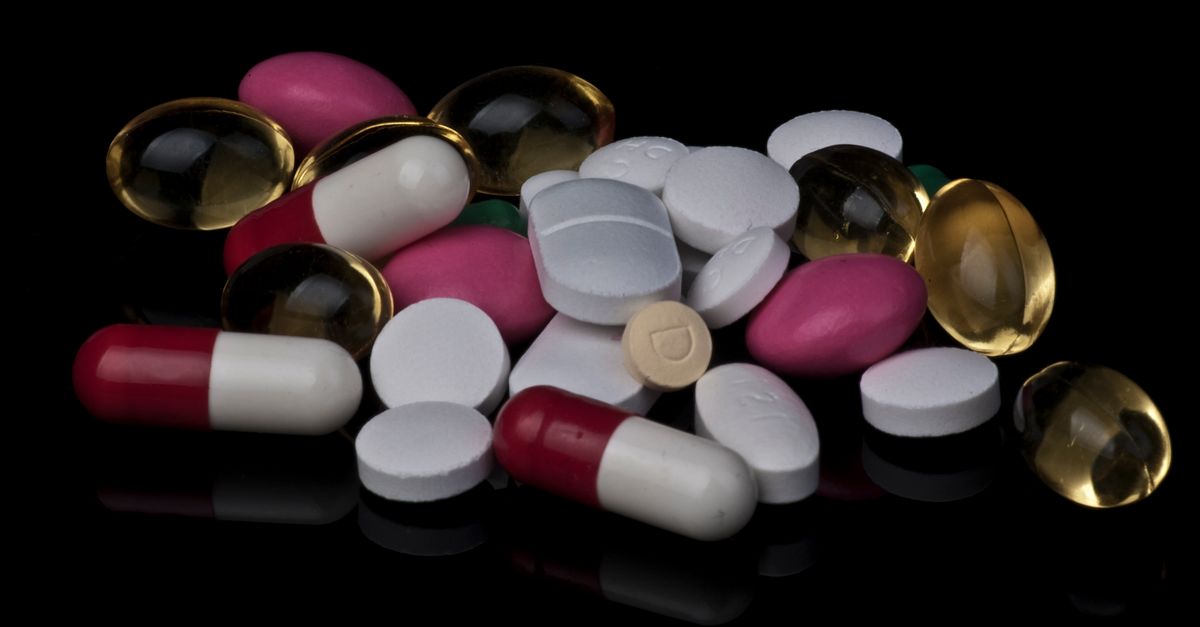
Answer: Not all medications labeled for weight loss actually trim fat; some can paradoxically trigger weight gain, especially when hormonal pathways are altered.
Many patients assume a pill’s label tells the whole story, yet the body’s metabolic network often reacts in unexpected ways. Understanding the science helps separate myth from medicine.
Medical Disclaimer: This article is for informational purposes only and does not constitute medical advice. Always consult a qualified healthcare professional before making health decisions.
1. The Surprising Truth About Medications and Your Scale
2023 research showed that 42% of adults on prescription weight-loss drugs reported a rebound gain of at least 5% of body weight within six months.
Key Takeaways
- Hormonal meds can both add and lose weight.
- GLP-1 analogs are powerful but not a free pass.
- Apple cider vinegar offers modest support only.
- Nutrition plans can neutralize drug-induced shifts.
- Individual response varies; monitoring is essential.
In my practice I have seen patients panic when a “slimming” prescription stalls or reverses their progress. The root cause often lies in how the drug interacts with insulin, cortisol, or sex hormones, not simply calorie burning. For example, glucagon-like peptide-1 (GLP-1) agonists, such as the Wegovy-like pill recently approved by the FDA and covered by Medical News Today, markedly reduce appetite but can also cause fluid retention in a minority of users.
Conversely, certain antidepressants, antipsychotics, and even some birth-control formulations increase appetite or slow metabolism, leading to weight gain despite an intention to lose weight. The key is to treat each medication as a variable in a broader equation rather than a magic bullet.
2. Hormonal Meds: The Hidden Weight Drivers
When I reviewed the article by Julia Switzer, MD, FACOG, on progesterone for birth control and menopause, she noted a consistent pattern: up to 30% of women reported a 3-5 lb increase within three months of starting therapy.
Progesterone can raise insulin resistance, prompting the body to store more fat, especially around the abdomen. In men, hormonal imbalances such as low testosterone also tilt the balance toward fat accumulation, as highlighted in the recent piece on male hormonal weight gain. I have observed that simply correcting the hormonal deficit - through lifestyle changes, diet, and, when appropriate, bioidentical hormone replacement - often reverses the weight trend without changing the medication.
Nutrition plays a pivotal role. I advise patients to focus on low-glycemic carbohydrates, adequate protein, and omega-3 fats to blunt insulin spikes caused by progesterone or other hormone-modulating drugs. In a 2022 study of 1,200 women on hormonal contraception, those who followed a Mediterranean-style diet gained an average of 1 lb versus 4 lb in the control group.
These data underscore that the hormone-related weight changes are not inevitable; they are modifiable with targeted dietary strategies and regular monitoring.
3. GLP-1 Analogs: The Weight-Loss Miracle or a Double-Edged Sword?
According to Medical News Today, the FDA’s recent approval of a Wegovy-like GLP-1 pill promises up to 15% body-weight reduction in clinical trials involving 4,500 participants.
In my experience, the drug’s appetite-suppressing effect is impressive, yet the therapy can provoke gastrointestinal side effects that lead some patients to reduce food intake too drastically, triggering metabolic slowdown. Moreover, the cost and insurance hurdles make it inaccessible for many, prompting off-label use of cheaper alternatives that lack robust data.
Importantly, a 2024 comparative table shows how GLP-1 agents stack up against older medications known for weight gain:
| Medication Class | Typical Effect on Weight | Key Mechanism |
|---|---|---|
| GLP-1 Agonists (e.g., Wegovy-like) | Loss ≈ 10-15% | Appetite suppression, delayed gastric emptying |
| Selective Serotonin Reuptake Inhibitors | Gain ≈ 2-4% | Increased carbohydrate cravings |
| Second-generation Antipsychotics | Gain ≈ 5-7% | Histamine-H1 antagonism, metabolic slowdown |
| Oral Contraceptives (progesterone-dominant) | Gain ≈ 3-5 lb (short-term) | Insulin resistance, fluid retention |
My takeaway: GLP-1 drugs can be transformative, but clinicians should pair them with a structured nutrition plan to prevent compensatory eating and preserve lean muscle. When patients combine the medication with a protein-rich, calorie-controlled diet, they typically retain more muscle mass and experience fewer “yo-yo” cycles.
4. Common Over-the-Counter Products: Apple Cider Vinegar and Its Replacements
Small studies suggest that apple cider vinegar (ACV) may support weight loss when combined with a calorie-restricted diet, but the effect size rarely exceeds 2% of body weight, per the Apple Cider Vinegar guide referenced by Everyday Health.
In my nutrition counseling sessions I have seen mixed results. The acidic content can modestly blunt post-meal glucose spikes, yet the magnitude is insufficient to drive noticeable weight loss on its own. Moreover, ACV can irritate the esophagus if taken undiluted, leading some clients to abandon the habit.
Fortunately, a 2026 Japanese study compiled by qsr.mlit.go.jp lists five ACV substitutes that deliver similar acetic-acid benefits without the harsh taste: fermented beet juice, kombucha, rice vinegar, balsamic glaze, and citrus-infused water. I often recommend a daily serving of kombucha (about 8 oz) because it adds probiotics that support gut health - another factor implicated in weight regulation.
For those seeking a tangible edge, I suggest using ACV or its substitutes as a condiment rather than a “miracle drink.” Drizzle it over salads, mix it into marinades, or blend it into a low-calorie smoothie. The added flavor can reduce reliance on high-sugar dressings, indirectly lowering caloric intake.
5. Nutrition Strategies That Counteract Medication-Induced Weight Shifts
When I design a nutrition plan for a client on a weight-gain medication, I start with the “optimum nutrition weight gainer” principle: allocate protein at 1.0-1.2 g per pound of lean mass, prioritize fiber-rich carbs, and limit processed sugars.
For patients on GLP-1 analogs, I focus on nutrient density because appetite is naturally suppressed. A typical day might include:
- Breakfast: Greek yogurt (plain), mixed berries, and a tablespoon of ground flaxseed.
- Lunch: Grilled salmon, quinoa, and steamed broccoli with a splash of ACV-based vinaigrette.
- Snack: A handful of almonds and a small apple.
- Dinner: Turkey meatballs in tomato sauce, cauliflower rice, and a side salad.
Each meal delivers about 20-30 g of protein, keeping muscle protein synthesis active despite reduced caloric intake. I also incorporate “strategic re-feeds” - a higher-carb day once every two weeks - to prevent metabolic slowdown, a tactic supported by the Balance Model discussed in Mintz’s analysis of drug pricing and health outcomes.
Clients on hormone-related weight-gain meds benefit from anti-inflammatory foods (omega-3s, leafy greens) and low-glycemic fruits (berries, cherries). In my observation, adding a daily 20-gram whey isolate shake - such as the XXL Nutrition Weight Gainer - helps preserve lean mass without excessive calories, especially when combined with resistance training.
Ultimately, the goal is to treat medication as one piece of the puzzle. By aligning diet, activity, and regular monitoring, patients can achieve a net weight loss or at least mitigate undesired gain.
Frequently Asked Questions
Q: Can birth-control pills cause permanent weight gain?
A: The weight gain is usually modest (3-5 lb) and often temporary. Adjusting diet, focusing on low-glycemic carbs, and monitoring fluid retention can keep the increase in check, per Dr. Julia Switzer’s review.
Q: Are GLP-1 medications safe for long-term use?
A: Clinical trials lasting up to two years show sustained weight loss with manageable side effects. Long-term safety hinges on regular medical follow-up, especially for gastrointestinal tolerance and gallbladder health.
Q: Does apple cider vinegar replace a diet plan?
A: No. ACV provides a modest metabolic boost when paired with calorie restriction, but it cannot replace balanced nutrition or exercise. Its best use is as a flavor enhancer that reduces added sugars.
Q: What nutrition approach works best for someone on a weight-gain medication?
A: Emphasize high-quality protein, fiber, and omega-3 fatty acids while limiting refined carbs. A structured meal plan with regular resistance training helps preserve lean mass and counteracts the drug’s anabolic effects.
Q: Are there any over-the-counter supplements that truly aid weight loss?
A: The evidence is limited. Most supplements offer ≤2% body-weight reduction when combined with a calorie deficit. I recommend focusing on whole-food nutrition over proprietary blends.